
Houston turf service
Pet Turf Installation in Houston, TX
Outer-loop Houston households with active dogs are converting muddy, bare-patch natural grass to pet-specific synthetic turf systems designed for drainage, odor control, and daily heavy use. Artificial Turf of Houston serves families across Alief, Mission Bend, Spring Branch, and the Beltway 8 corridor.
Service Overview
Pet Turf Systems Built for Houston Dog Households
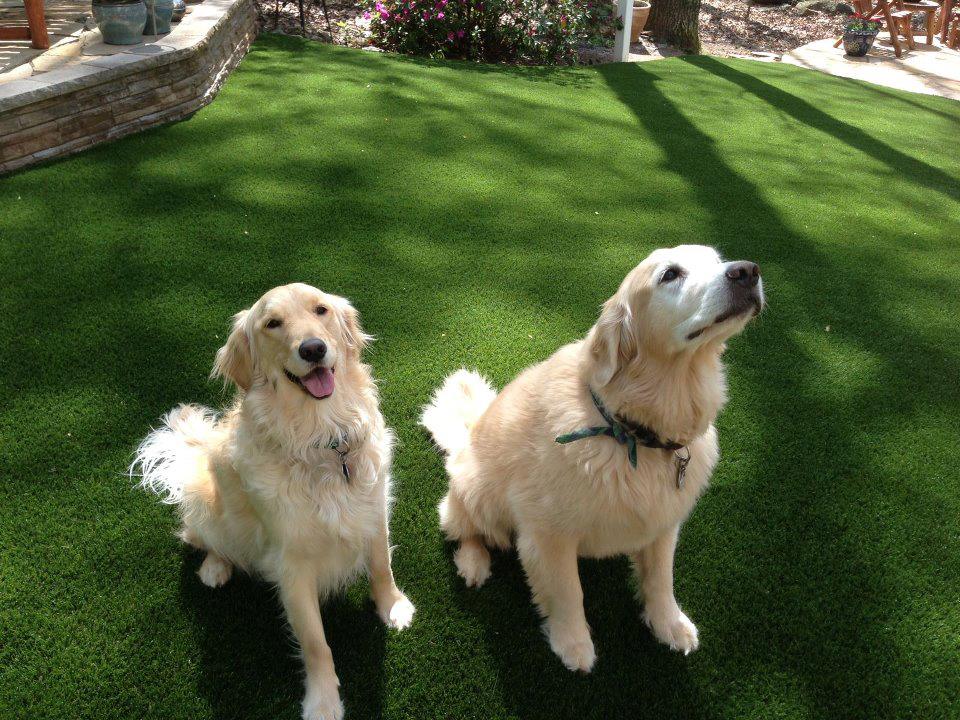
Dogs destroy natural grass in Houston's climate faster than almost anywhere else — a combination of daily activity, clay soil that compacts under traffic, and the summer conditions that make recovery almost impossible once bare patches develop. A typical outer-loop backyard with two large dogs cycles through: spring green-up, summer browning, fall bare patches, winter mud, and an expensive reseeding attempt every year or two that lasts less than a full season.
Pet turf installation replaces that cycle. We install drainage-optimized synthetic systems built for the specific demands of pet use — permeable backing that moves liquid waste quickly, antimicrobial infill that controls odor over time, and durability construction that handles daily dog activity without breaking down. These aren't standard residential turf products — they're purpose-built pet systems with the drainage rates and infill specifications that actual pet ownership requires.
We serve pet households across the outer-loop corridor, from the densely housed communities in Alief and Sharpstown to the larger lots in Bear Creek, Mission Bend, and Cy-Fair east. Pet projects range from whole-yard conversions to dedicated side-yard dog runs. We scope based on the number of dogs, their activity level, and the drainage characteristics of the specific lot.
Benefits
Pet Turf Benefits for Houston Dog Households
Eliminates Mud and Bare Patches
Daily dog traffic on Houston clay produces bare soil and muddy zones that track through the house. Pet turf converts that into a consistent, clean surface that drains properly and doesn't track indoors.
Engineered for Waste Drainage
Pet-specific turf backing is engineered for high liquid drainage rates that standard residential turf can't match. Proper drainage is what prevents odor buildup — this is the most important technical difference in pet turf specification.
Antimicrobial Odor Control
We use antimicrobial infill options specifically designed for pet applications that inhibit bacterial growth over time. Combined with proper drainage, this keeps outdoor pet areas smelling clean between rinse cycles.
Handles Active, Large Dogs
Heavy commercial-grade backing on pet turf resists the wear patterns that large or high-energy dogs create. Turf systems that handle 80-pound lab activity every day require different construction than systems for light residential use.
Cleaner Dog, Cleaner House
Dogs coming in from synthetic turf don't carry mud or wet soil through the house. This practical benefit is cited by nearly every pet turf customer within the first month of installation.
No More Flea and Tick Habitat
Organic soil and dense natural grass create habitat for fleas and ticks. Synthetic pet turf eliminates that habitat, reducing parasite exposure for dogs who spend significant outdoor time in the yard.
Process
Pet Turf Installation Process
Pet Use Assessment
We discuss dog count, size, activity level, and specific yard use patterns. This drives drainage design, product specification, and infill selection — pet turf systems are not one-size-fits-all.
Drainage Design
Pet areas require drainage design beyond standard residential grading. For heavy pet use, we may recommend French drain integration, enhanced base permeability, or specific outlet configurations that move liquid waste volume efficiently.
Full Vegetation and Organic Material Removal
Complete removal of existing grass, weeds, and organic material is critical for pet installations. Leaving organic matter under a pet turf base creates odor problems that no infill treatment will resolve.
Base Construction
Aggregate base installed at the depth appropriate for the drainage design. Weed barrier placed before turf. Pet areas may require additional drainage layers versus standard residential base construction.
Pet Turf Installation and Infill
Purpose-built pet turf is installed with secured edges and seams. Antimicrobial infill is distributed and brushed in. We walk through a pet care and maintenance routine before completing the handoff.
Applications
Pet Turf Applications
Full Backyard Pet Conversion
Complete backyard replacement for households where dogs use the full yard daily — common in Alief and Mission Bend homes with active dog breeds.
Dedicated Dog Runs
Side-yard or designated backyard dog runs with enhanced drainage and secure perimeter — useful for households that want to contain pet activity to a specific area.
High-Traffic Pet Zones
Areas immediately outside back doors and along common patrol routes where dogs concentrate their activity — typically the highest maintenance spots in natural grass yards.
Multi-Dog Household Solutions
Households with three or more dogs require upgraded drainage specifications and heavier-duty product selections. We scale the installation to the actual pet load.
Kennel and Boarding Facility Surfaces
Commercial pet facilities and kennels along the outer-loop corridor requiring durable, sanitary outdoor surfaces that handle commercial pet traffic volumes.
Apartment and Townhome Pet Areas
Small side yards and dedicated pet areas in townhome and apartment communities across the Beltway corridor — pet turf common areas that reduce maintenance costs and stay functional under heavy use.
Why This Site Frames It This Way
Why Artificial Turf of Houston for Pet Turf
Pet-Specific Products and Drainage Design
We don't install standard residential turf and call it pet turf. Pet installations use drainage-engineered products, appropriate backing permeability, and antimicrobial infill specified for actual pet waste volumes — not decorative turf with a pet label.
Houston Climate Experience with Pet Odor
Heat amplifies odor in systems that don't drain adequately. Houston summers are severe enough that marginal drainage becomes a major odor problem by July. We design drainage systems that prevent this from developing.
Honest Assessment of Drainage Requirements
Multi-dog households in certain lot types need drainage solutions beyond a standard base. We tell you upfront if the pet use level and lot drainage require additional investment rather than selling you a system that will fail the test.
Complete Organic Removal Standard
On pet installations, we always remove all organic material from the base. Cutting corners here creates odor problems that no infill treatment resolves. This is a non-negotiable part of our pet installation process.
Ongoing Maintenance Guidance
We walk every pet turf customer through a maintenance routine — rinse frequency, enzyme treatment approach, debris management — before the job closes. Good maintenance practices extend odor control significantly.
FAQ
Pet Turf Questions
Will pet turf smell in Houston's summer heat?
Properly installed pet turf with adequate drainage and antimicrobial infill should not develop significant odor problems. The heat amplifies issues in systems that drain slowly or weren't fully cleared of organic material. We address both of these in the installation process. Routine rinsing and periodic enzyme treatment maintain performance through summer.
My dog digs along the fence line. Will turf solve this?
Most dogs stop digging on synthetic turf because they don't get the tactile feedback they're seeking. For confirmed diggers, we install additional edge securing along fence lines and can use stake patterns that discourage persistent digging attempts. No system is completely dig-proof against a highly motivated dog, but pet turf significantly reduces the problem.
How many dogs is a standard pet turf installation designed for?
Standard pet turf specifications work well for one to two average-sized dogs. Households with three or more dogs, very large breeds, or particularly high activity levels should discuss upgraded drainage specifications with us at the site visit. The drainage design drives product and base selection for heavy pet use.
How do I clean the pet turf area?
Pick up solid waste and rinse the area with a hose. For households with heavy pet use, we recommend a dedicated enzyme cleaner applied to the pet area weekly during summer months. Leaf blowing or raking removes organic debris. Monthly deep rinse is beneficial for high-use installations. This is the full routine — significantly less than natural grass care.
Does pet turf eliminate fleas in the yard?
Synthetic turf eliminates the organic soil habitat that fleas require to complete their lifecycle in the yard environment. This reduces flea pressure on dogs who spend outdoor time in the yard. It does not create a complete barrier against fleas that enter from adjacent natural areas or other animals.
Is pet turf safe for dogs who eat grass?
Our pet turf products are non-toxic and safe for dogs. Dogs that regularly eat natural grass typically stop this behavior on synthetic surfaces since the tactile and scent properties are different. The infill materials we use for pet applications are selected for safety in pet contact environments.
Service Areas
Pet Turf Installation is routed through Houston and the surrounding local pages.
The service template stays tied to the Houston route stack, so supporting city pages and service pages reinforce each other instead of standing alone.
Need a quote for this service?
Solve the Dog Yard Problem
Artificial Turf of Houston installs pet-specific turf systems across the outer-loop corridor. Tell us about your dogs and your backyard situation — we'll design a system that actually handles the use.